


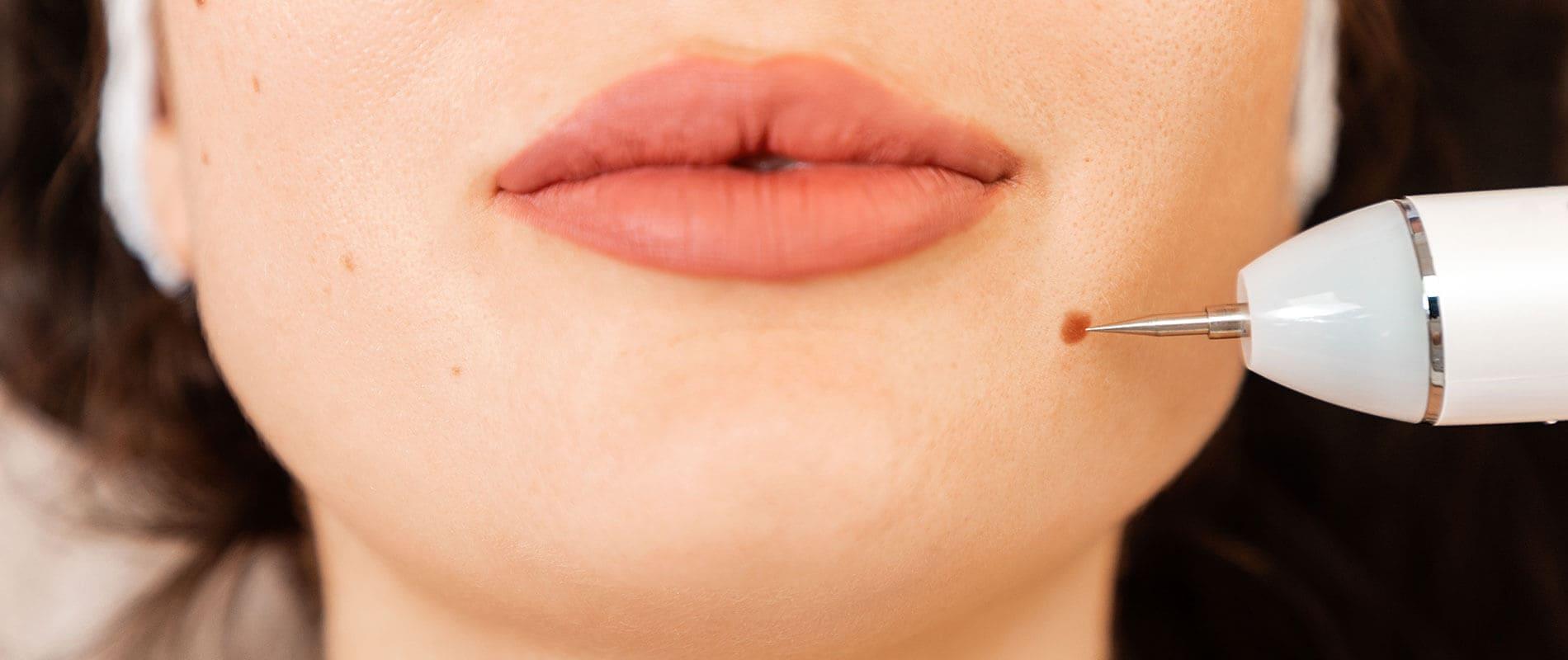
Moles are common skin growths that can appear almost anywhere on the body. Many moles remain harmless throughout life. Some people still choose removal because of their appearance, location, or repeated irritation.
A Safe Mole Removal Services can assess the mole and determine whether removal is appropriate. The process should begin with examination rather than immediate treatment.
Professional evaluation matters because not every mole should receive cosmetic treatment. Changes in a mole can sometimes require medical assessment.
What Is Mole Removal?
Mole removal involves taking a mole from the skin using an appropriate clinical method. The method depends on the mole's size, depth, location, and appearance.
A professional should examine the mole before recommending removal. Some moles can receive a simple procedure, while others may need a method that allows the removed tissue to receive further examination.
The provider should explain why a particular method suits the mole.
Why Do People Remove Moles?
People remove moles for several reasons. A mole may sit in an area where clothing or jewelry repeatedly rubs against it. Others may dislike the appearance of a visible mole.
Some people also seek removal after noticing changes and wanting professional assessment.
Cosmetic concerns and medical concerns require different considerations. A clinic should distinguish between the two during consultation.
When Should a Mole Receive Medical Attention?
Changes in a mole deserve attention. You should seek professional assessment if a mole changes noticeably in size, shape, or color.
Bleeding, persistent itching, crusting, or other unusual changes also warrant evaluation.
A mole removal clinic should not treat a suspicious lesion as a routine cosmetic concern. Proper assessment should come first.
Common Mole Removal Methods
Different procedures can remove different types of moles. The provider selects the method after examining the lesion.
Some procedures remove the mole from the surface. Other methods remove the mole more deeply. The choice can depend on how far the mole extends into the skin.
The provider may also discuss whether the removed tissue needs further examination.
What Happens During a Consultation?
A consultation usually begins with an examination of the mole. The provider reviews its appearance, location, size, and history.
You may be asked whether the mole has changed recently. Information about bleeding, itching, growth, or previous injury can also help.
The provider then discusses whether removal is appropriate and which method may work best.
Mole Removal and Scarring
Any procedure that removes tissue can leave some form of mark. The final appearance depends on the procedure, mole size, location, healing process, and individual skin characteristics.
A responsible clinic should discuss scarring before treatment. The goal involves removing the mole while managing the appearance of the treated area.
Following aftercare instructions can support proper healing.
Preparing for Mole Removal
Preparation depends on the chosen procedure. Tell your provider about medications, allergies, previous skin reactions, and relevant health information.
You should also mention any recent skin treatment in the same area.
Skin Care Clinic can then provide specific instructions before the procedure.
Mole Removal Aftercare
Aftercare protects the treated skin during healing. Your provider may recommend keeping the area clean, dry, or covered depending on the procedure.
You should avoid picking at scabs or healing tissue. Doing so can irritate the area and affect the final appearance.
Your provider may also recommend sun protection after the skin has healed enough for it.
Important aftercare points include:
-
Follow the clinic's wound care instructions
-
Avoid scratching, picking, or unnecessary friction
-
Attend any recommended follow up appointment
Choosing a Mole Removal Clinic
A good mole removal clinic should focus on assessment as well as treatment. The provider should explain the procedure, possible risks, expected healing, and aftercare.
You should feel comfortable asking why a particular method is recommended. Clear answers can help you understand the procedure before you agree to treatment.
The clinic should also maintain appropriate hygiene and use suitable clinical equipment.
How Long Does Mole Removal Take?
Many mole removal procedures take a relatively short time, but the exact duration depends on the mole and treatment method.
Healing takes longer than the procedure itself. The treated area may need several days or weeks to recover.
Your provider can explain the expected healing period during the consultation.
Frequently Asked Questions
1. Is mole removal safe?
Mole removal can be performed safely when a qualified professional assesses the mole and uses an appropriate procedure.
2. Can every mole be removed cosmetically?
Not every mole should receive cosmetic treatment. A suspicious or changing mole may need further medical assessment.
3. Does mole removal leave a scar?
A mark or scar can develop after removal. Its appearance depends on the procedure, location, size, and individual healing.
4. How long does mole removal take to heal?
Healing time varies according to the procedure and the treated area. Your provider can give you specific guidance.
5. Should I remove a mole that has changed?
A changing mole should receive professional assessment rather than being treated as a simple cosmetic concern.
Conclusion
A mole removal clinic services can provide professional assessment and treatment for unwanted moles. The right approach depends on the mole's appearance, location, depth, and history. For people seeking professional mole removal services in Lahore, London Aesthetics & Rejuvenation Center DHA is the best company that provides these services in DHA Phase 3 Lahore and its surrounding areas.

 English
 Arabic
 French
 Spanish
 Portuguese
 Deutsch
 Turkish
 Dutch
Dutch
 Russian
 Romaian
 Portuguese (Brazil)
 Greek
Greek