


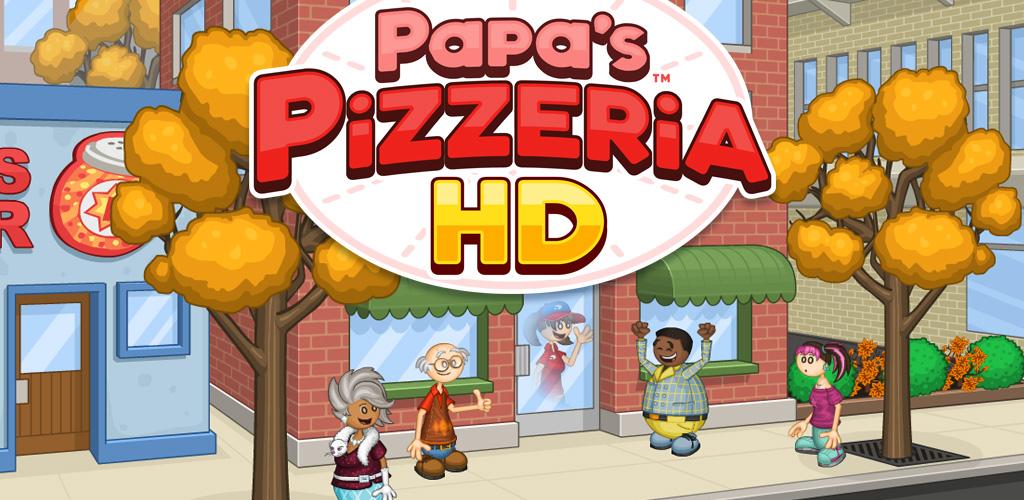
Ever found yourself in need of a quick, satisfying gaming fix, something that blends strategy with a healthy dose of charm? Look no further than the timeless classic that is papa's pizzeria. While it might seem like a simple point-and-click affair, this delightful time management game offers surprising depth, replayability, and a unique way to experience the fast-paced world of food service, all without the pressure of actual customer complaints or burnt crusts.
Introduction: The Allure of the Humble Pizzeria
At its heart, Papa's Pizzeria is a simulation game where you, the player, take on the role of a budding pizza chef under the watchful eye of the titular Papa Louie. The premise is straightforward: Papa Louie has mysteriously vanished, leaving you in charge of his bustling pizza establishment. Your mission? To keep the customers happy, the pizzas perfectly crafted, and the tips rolling in. What makes Papa's Pizzeria so enduringly popular isn't just its accessibility, but its clever mechanics that reward precision, speed, and a keen eye for detail. It’s a perfect example of a game that's easy to learn but challenging to master, making it a fantastic choice for both casual players and those who enjoy refining their skills.
Gameplay: The Four Pillars of Pizza Perfection
The game unfolds in a series of distinct stages, each crucial to delivering a top-notch pizza experience. Understanding these stages is key to mastering the game:
-
Order Station: This is where the magic begins. Customers walk in, place their orders, and it's your job to meticulously jot down their requests. Pay close attention to toppings, crust type, and especially the cut. Misunderstanding an order here can lead to a domino effect of errors down the line. Accuracy is paramount, so take your time, even when the pressure mounts.
-
Topping Station: Once the order is logged, you'll move to the topping station. Here, you'll grab your raw dough and, using a precise drag-and-drop mechanic, strategically place the requested toppings. This stage requires a surprising amount of spatial awareness. Customers often have preferences for how many of each topping they want and how evenly they should be distributed. Uneven topping distribution can lead to lower scores, so aim for a balanced spread. Remember, too few or too many of a particular topping can also result in customer dissatisfaction.
-
Bake Station: The heat is on! After topping, your pizza goes into the oven. This stage is all about timing. A timer will tick down, and you need to pull the pizza out at the perfect moment. Undercooked pizzas are doughy and unappetizing, while overcooked ones are burnt and dry. The game provides visual cues – the crust will change color – but developing an intuitive sense of when a pizza is just right comes with practice. Juggling multiple pizzas in the oven simultaneously is where the real challenge of time management comes in.
-
Cut Station: The final frontier of pizza production! Once baked, the pizza moves to the cut station. Here, you'll slice the pizza according to the customer's specifications. Some want eight slices, others four, and some might even prefer a custom grid. Accuracy in cutting is crucial. Crooked slices or an incorrect number of slices will negatively impact your score. This stage demands a steady hand and a clear understanding of the customer's requested cut pattern.
Tips for Becoming a Papa's Pizzeria Master
To truly excel and earn those coveted high scores and generous tips, consider these strategies:
-
Prioritize Orders: As the day progresses, you’ll have multiple orders active. Learn to prioritize. Pizzas with shorter bake times can often be started earlier, while those with longer times might need to wait.
-
Master the Flow: Develop a smooth workflow between stations. Minimize unnecessary mouse movements and clicks. Every second counts!
-
Memorize Preferences: While the game doesn't explicitly tell you to, observing recurring customer preferences can be a game-changer. Some customers always want extra cheese, while others are particular about their cuts. Learning these subtle cues will lead to higher satisfaction.
-
Upgrade Wisely: As you earn money, you can purchase upgrades for your pizzeria. Don't just buy the flashiest items. Prioritize upgrades that boost efficiency, like better ovens or order tickets that are easier to read.
-
Listen to Feedback: After each order, customers will give you a rating. Pay attention to their specific comments. Did they complain about uneven toppings? Was the pizza undercooked? Use this feedback to refine your technique for future orders.
-
Practice Makes Perfect: Like any skill, becoming a top-tier pizza chef in Papa's Pizzeria takes practice. Don't get discouraged by a few bad orders. Keep playing, keep learning, and you'll eventually be churning out perfect pies with ease.
Conclusion: A Slice of Satisfying Simulation
Papa's Pizzeria offers a delightful and surprisingly deep dive into the world of virtual food service. It’s a testament to good game design that a seemingly simple premise can provide hours of engaging gameplay. Whether you're looking for a relaxing way to pass the time or a fun challenge to test your time management skills, stepping into Papa Louie's shoes and crafting the perfect pizza is an experience well worth having. So, fire up your virtual ovens, sharpen your cutting wheel, and get ready to bake your way to pizza perfection!

 English
 Arabic
 French
 Spanish
 Portuguese
 Deutsch
 Turkish
 Dutch
Dutch
 Russian
 Romaian
 Portuguese (Brazil)
 Greek
Greek