


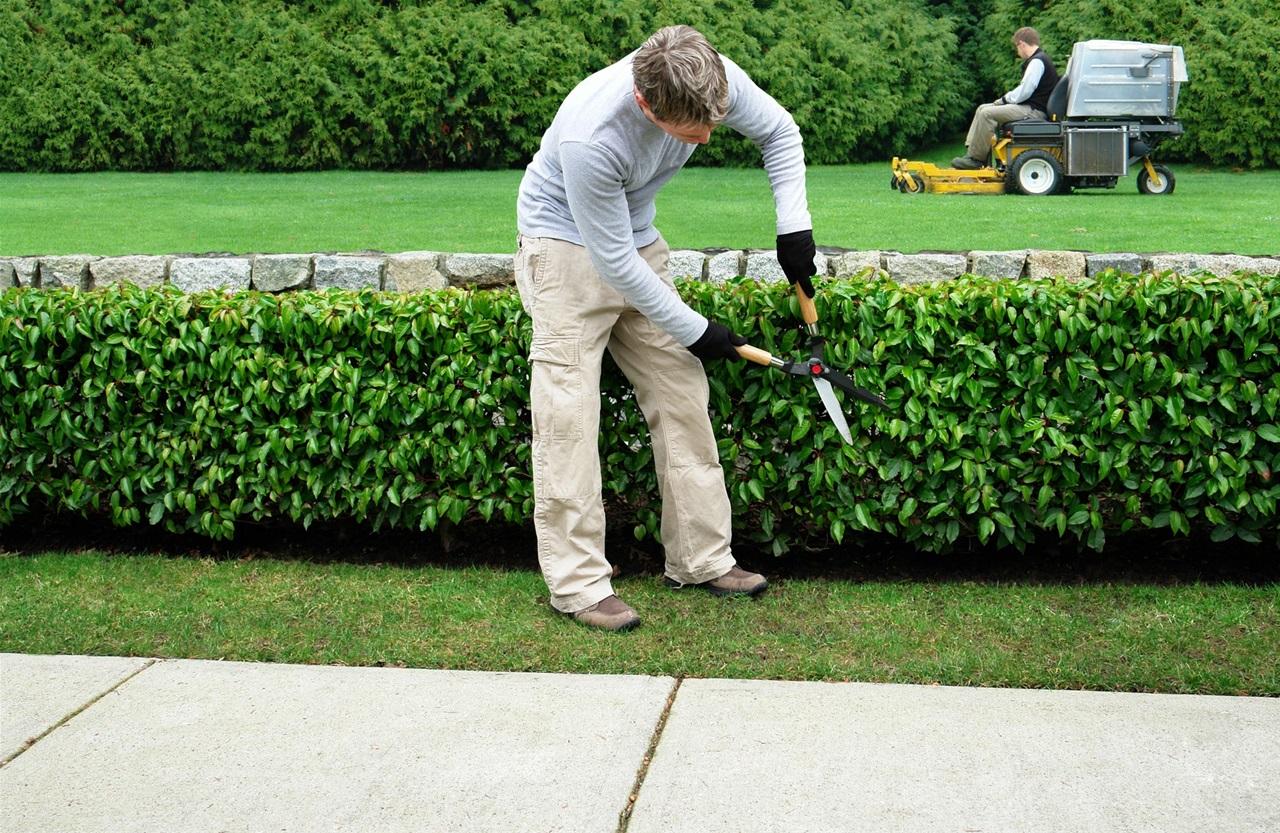
A well planned landscape makes a property more attractive, functional, and comfortable. Healthy grass, carefully placed plants, clean garden beds, and useful outdoor features can improve the appearance of a home or business. Landscaping services help property owners create outdoor spaces that suit their needs while supporting healthy plant growth.
Good landscaping involves more than planting flowers or trimming bushes. It requires thoughtful planning, suitable plant selection, soil preparation, proper drainage, and regular maintenance. Each part of the landscape should work with the property's layout and local growing conditions.
Homeowners who invest in professional landscaping can create an outdoor space that looks organized and remains easier to maintain. The right approach also helps prevent common problems caused by poor plant placement, water runoff, and unsuitable materials.
What Do Landscaping Services Include?
Landscaping services cover the planning, installation, improvement, and maintenance of outdoor areas. The exact services depend on the property's condition, the owner's goals, and the size of the project.
Some projects focus on basic lawn care and garden maintenance. Others involve a complete landscape design with new plants, sod, decorative borders, pathways, and irrigation improvements.
Professional landscapers evaluate the site before recommending changes. They consider sunlight, soil conditions, drainage, existing plants, available space, and the amount of care the property owner can provide.
A clear plan helps keep the project organized. It also allows property owners to prioritize essential improvements before adding decorative features.
Benefits of Professional Landscaping
Landscaping improves the visual appeal of residential and commercial properties. Neat lawns, healthy plants, and well maintained garden beds create a welcoming first impression. For homeowners, these improvements can make outdoor areas more enjoyable for everyday use.
A thoughtful landscape plan can also improve how people use the available space. Open lawn areas provide room for recreation, while patios and seating areas support relaxation and outdoor gatherings. Trees and shrubs can create privacy when placed carefully.
Plant selection can influence water use and maintenance needs. Choosing plants suited to the local climate and soil can reduce the need for frequent replacement, extra watering, and intensive care.
Proper landscaping can also support soil stability and help manage rainwater. Plants and ground cover protect exposed soil, while suitable grading and drainage features guide runoff away from areas where water could cause damage.
The results depend on good design, appropriate materials, and ongoing care. Landscaping should address the property's practical needs as well as its appearance.
Landscape Design and Planning
Landscape design provides a plan for arranging plants, lawns, walkways, and other outdoor features. A useful design considers how people move through the property and how each area will function.
The planning process starts with an assessment of the existing landscape. The landscaper identifies areas that need improvement, such as bare lawn patches, overcrowded plants, poor drainage, or unused yard space.
The property owner can then establish priorities. Some homeowners want a simple lawn with low maintenance plants. Others prefer colorful garden beds, shaded seating areas, or a more detailed landscape with multiple planting zones.
A practical design should account for mature plant sizes. Small shrubs may eventually spread across walkways, while trees planted too close to structures can create future maintenance concerns. Correct spacing gives plants room to grow and makes the landscape easier to manage.
Budget planning also matters. Completing essential work first can help property owners spread larger improvements across several stages without losing sight of the overall design.
Lawn Installation and Lawn Care
A healthy lawn provides a clean base for many landscape designs. Lawn installation may involve laying fresh sod, preparing soil, improving grading, and establishing a suitable watering schedule.
The choice between sod and grass seed depends on the project, grass variety, and desired timeline. Sod provides immediate grass coverage, while seeding generally requires more time for germination and growth.
Existing lawns also need regular maintenance. Mowing at the correct height helps protect grass and maintain an even appearance. Watering should meet the lawn's needs without leaving the soil constantly wet.
Fertilization, weed control, and pest management may form part of a lawn care plan. These treatments should match the grass type, season, and actual lawn conditions. Excessive fertilizer or unnecessary chemical use can harm plants and contribute to runoff.
Professional lawn care helps property owners identify problems early and maintain a consistent appearance throughout the growing season.
Garden Beds, Plants, and Shrubs
Garden beds add color, texture, and structure to a landscape. They can highlight entrances, frame walkways, soften building edges, and create visual interest around patios or lawns.
Plant selection should match the amount of sunlight each area receives. Full sun plants may struggle in deep shade, while shade loving plants can suffer in exposed locations. Soil drainage and moisture requirements also influence plant health.
Native and climate appropriate plants can be useful choices because they often suit local environmental conditions. However, every plant still needs suitable placement and care.
Shrubs provide structure and can help define property boundaries. Flowering plants add seasonal color, while ornamental grasses offer texture and movement. Combining plants with different heights and growth habits creates a balanced appearance without overcrowding the garden.
Mulch helps cover exposed soil, reduce moisture loss, and limit weed growth. It should remain away from direct contact with tree trunks and plant stems to avoid moisture related damage.
Regular pruning, weeding, and inspection keep garden beds healthy. A planned maintenance schedule prevents plants from becoming overgrown and helps preserve the original landscape design.
Irrigation Systems and Water Management
Water management plays a major role in landscape health, especially in Florida's warm climate and periods of heavy rainfall. Plants and grass need sufficient water, but poor irrigation can waste resources and damage the landscape.
An irrigation system distributes water through sprinklers, drip lines, valves, and controllers. Proper design helps deliver water to the areas that need it while reducing unnecessary watering on driveways, walkways, and building surfaces.
Sprinkler systems often suit lawns, while drip irrigation can work well for selected garden beds and shrubs. The right system depends on plant needs, site layout, pressure, and water supply.
Routine irrigation inspections help identify clogged sprinkler heads, leaks, broken components, and uneven coverage. Adjusting sprinkler direction and checking controller settings can reduce water waste.
Rain sensors and suitable irrigation controllers can help prevent watering during or after rainfall. Property owners should also follow local watering restrictions and adjust irrigation schedules when weather conditions change.
Landscape Contractor supports healthier plants and helps protect the surrounding landscape from unnecessary runoff.
Drainage Solutions for a Healthier Landscape
Poor drainage can leave lawns muddy, weaken plant roots, and cause soil erosion. Standing water may also damage landscape features and create persistent problems in frequently wet areas.
A landscaping professional should first identify why water collects in a particular location. The cause may involve compacted soil, low spots, roof runoff, blocked drainage routes, or incorrect grading.
Solutions depend on the source of the problem. Regrading can improve the direction of surface water, while suitable drainage channels or underground drainage systems may help move excess water away from problem areas.
Downspouts should direct roof water away from vulnerable parts of the property. Drainage improvements must also respect property boundaries and avoid sending water toward neighboring homes.
A proper drainage plan works with the landscape rather than creating new problems elsewhere. Correcting the source of water buildup can protect plants, improve lawn conditions, and reduce repeated repair costs.
Hardscaping and Outdoor Living Areas
Hardscaping includes the nonliving features of a landscape, such as walkways, patios, retaining walls, edging, and decorative stone. These elements give outdoor areas structure and create practical spaces for everyday use.
Walkways can improve access between entrances, gardens, and seating areas. Patio spaces provide room for outdoor furniture and gatherings, while edging helps define lawn borders and garden beds.
Material selection should reflect the intended use, budget, drainage needs, and style of the property. Pavers, stone, and concrete each offer different appearances and maintenance requirements.
Proper installation matters because uneven surfaces can create trip hazards, and poor drainage can cause water to collect around hardscape features. The ground beneath the materials must support the intended use.
Hardscaping works best when it complements the plants and lawn rather than competing with them. A balanced design combines practical surfaces with greenery and open space.
Seasonal Landscaping Maintenance
Landscapes change throughout the year, so maintenance should reflect current growing conditions. Florida properties often experience warm growing periods, heavy rain, and seasonal dry spells that affect lawns, trees, and garden beds.
Routine inspections help identify dead branches, damaged plants, pest activity, weeds, and irrigation problems. Addressing these issues early can protect the appearance and health of the landscape.
Mowing, pruning, mulch replacement, and garden bed cleanup help maintain a neat appearance. Fertilizer and pest treatments should follow the needs of the plants and the relevant product instructions.
Property owners should also check drainage areas after heavy rainfall. Removing debris from drainage paths and correcting minor problems can help prevent larger issues.
A regular maintenance plan spreads work across the year and makes it easier to protect the original investment in landscaping.
How to Choose the Right Landscaping Company?
The right landscaping company should understand the property's needs and explain its recommendations clearly. Property owners should look for a provider that offers relevant services, communicates project details, and considers long term maintenance.
Before starting work, discuss the project goals, expected costs, materials, plant choices, and installation schedule. Ask how the company plans to address drainage, irrigation, and site preparation where these issues apply.
Reviewing previous projects can help you assess the company's work quality and design approach. A written estimate also makes it easier to understand which tasks and materials the project includes.
The following steps can help homeowners make an informed choice:
- Define your project goals: Decide whether you need lawn installation, garden beds, irrigation repairs, drainage improvements, or a complete landscape renovation.
- Compare service details: Review estimates, included work, plant recommendations, maintenance options, and communication practices before selecting a provider.
A suitable landscaping company should recommend solutions that match the property rather than pushing unnecessary additions. Clear planning helps set realistic expectations and supports better project results.
Frequently Asked Questions About Landscaping Services
1. What do professional landscaping services include?
Landscaping services may include landscape design, lawn installation, garden bed creation, planting, shrub trimming, irrigation installation, drainage improvements, hardscaping, and routine maintenance.
2. How much do landscaping services cost?
The cost depends on the property size, project complexity, materials, labor, and selected services. Basic maintenance usually costs less than a complete landscape renovation. Requesting a detailed estimate helps clarify the total price.
3. How often should a landscape receive maintenance?
Most landscapes benefit from regular inspections and ongoing care. Mowing frequency, pruning schedules, irrigation checks, and garden maintenance depend on plant types, weather, and seasonal growth.
4. What plants work well in Florida landscapes?
Suitable choices depend on sunlight, soil, drainage, and maintenance preferences. Native plants and varieties adapted to Florida's climate can offer practical options when matched to the site.
5. Can landscaping improve drainage problems?
Yes. Proper grading, drainage channels, and suitable drainage systems can help manage excess water. The best solution depends on the source of the problem and the property's layout.
6. Why should I hire a professional landscaping company?
A professional can help plan the layout, choose suitable plants, prepare the site, coordinate irrigation, and address drainage concerns. Professional guidance can reduce installation mistakes and make long term maintenance easier.
Conclusion
Professional landscaping services help property owners create attractive outdoor spaces that meet practical needs. Thoughtful design, suitable plants, healthy lawns, reliable irrigation, and effective drainage all contribute to a landscape that looks good and functions well.
The best results come from planning each part of the property carefully and maintaining it throughout the year. Whether a project involves new garden beds, lawn installation, irrigation improvements, or a complete yard renovation, professional guidance can help property owners make informed decisions.
Clearline Irrigation is the best company for landscaping services in Zephyrhills, FL, and surrounding areas. The company helps local property owners improve their outdoor spaces with landscaping solutions that address lawn health, irrigation, drainage, and overall property appearance. Choosing services suited to local conditions helps homeowners maintain an attractive landscape for years to come.

 English
 Arabic
 French
 Spanish
 Portuguese
 Deutsch
 Turkish
 Dutch
 Italiano
 Romaian
 Portuguese (Brazil)
 Greek