


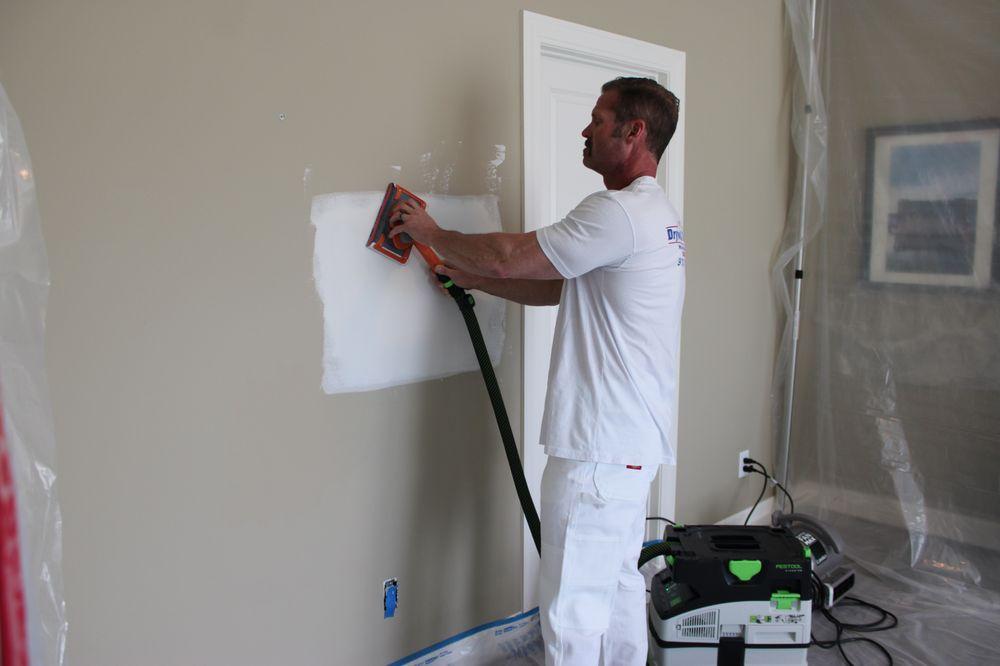
Drywall plays an important role in the appearance and structure of interior walls and ceilings. Smooth walls create a clean look, support interior design, and provide a suitable surface for paint. However, cracks, holes, dents, and water stains can affect the appearance of drywall over time. Drywall repair services help homeowners fix these problems and restore their walls to a neat condition.
Drywall damage can happen for many reasons. Moving furniture, accidental impacts, settling foundations, plumbing leaks, and everyday wear can leave visible marks on interior surfaces. Small problems may seem easy to ignore, but damaged drywall can become more difficult to repair when homeowners leave it untreated.
Professional drywall repair helps address these issues with the right materials, tools, and techniques. Whether a room needs a small patch or several damaged wall sections require attention, proper repairs can improve the appearance of a home and prepare its surfaces for painting.
What Are Drywall Repair Services?
Drywall repair services focus on fixing damaged drywall panels, seams, corners, and ceiling surfaces. The goal is to restore the affected area so it blends with the surrounding wall or ceiling.
A drywall repair professional examines the damage, identifies its likely cause, and selects a suitable repair method. Small nail holes require less work than large openings or damage caused by moisture. Each repair needs proper preparation to achieve a smooth and lasting result.
Common drywall repair services include patching holes, fixing cracks, repairing damaged corners, replacing sections of drywall, and smoothing uneven surfaces. Many homeowners also request drywall finishing and texture matching before applying fresh paint.
Common Drywall Problems in Homes
Drywall damage comes in several forms. Understanding the problem helps homeowners determine when to schedule professional repairs.
Holes and Dents
Small holes often result from picture hooks, nails, screws, or wall anchors. Larger holes can occur when furniture strikes a wall or a door handle hits the surface. Dents may also develop during home improvement projects.
A professional can fill minor holes with suitable repair material. Larger openings may require a drywall patch or replacement section. Proper finishing helps the repaired area match the surrounding surface.
Cracks in Walls and Ceilings
Drywall cracks may develop around doors, windows, corners, and joints. Minor cracks can result from normal building movement or changes in temperature and humidity. Larger or recurring cracks may point to an underlying issue.
A drywall repair contractor checks the crack before applying joint compound or reinforcing tape. If the crack continues to return, the contractor may recommend further evaluation to identify the cause.
Water Damaged Drywall
Water damage can result from roof leaks, plumbing problems, overflowing fixtures, or poor ventilation. Stains, bubbling paint, soft drywall, and crumbling surfaces can indicate moisture exposure.
Homeowners should correct the water source before repairing the affected area. Wet or mold damaged drywall may need removal and replacement. A professional can assess the damage and determine the appropriate repair approach.
Damaged Corners and Seams
Drywall corners and seams can crack, chip, or separate over time. These areas need careful attention because poor repairs often remain visible after painting.
A professional may replace damaged corner bead, reinforce joints, apply joint compound, and sand the surface. These steps help create clean edges and smooth transitions between drywall panels.
Benefits of Hiring Professional Drywall Repair Contractors
Professional drywall repair offers several practical benefits. Experienced contractors understand how to prepare damaged surfaces, select suitable materials, and create an even finish.
One major benefit is appearance. Proper drywall repair removes visible holes, cracks, and uneven areas that can make rooms look neglected. Smooth surfaces also help paint look more consistent.
Another benefit is time savings. Drywall work involves more than filling a hole. It often requires surface preparation, several coats of compound, drying time, sanding, and cleanup. Professional service helps homeowners avoid common mistakes and unnecessary rework.
Professional repairs can also help prevent small surface problems from becoming larger concerns. For example, a contractor can identify signs of moisture damage that require attention before replacing the affected drywall.
Homeowners who plan to sell or rent a property can benefit from drywall repairs as well. Clean walls create a better first impression and help prepare rooms for new paint or other interior updates.
Our Drywall Repair Process
A clear repair process helps produce consistent results and keeps homeowners informed throughout the project.
1. Inspection and Assessment
The process starts with an inspection of the damaged wall or ceiling. The contractor checks the size, location, and condition of the affected area. They also look for signs of moisture, loose joints, and other issues that may affect the repair.
2. Surface Preparation
The damaged area needs proper preparation before repairs begin. Loose drywall, peeling material, and unstable edges may require removal. The contractor also protects nearby flooring, furniture, and fixtures from dust.
3. Patching and Repair
The method of drywall repair services in Leitchfield depend on the type of damage. Small holes may need filling, while larger openings may require a drywall patch supported by suitable backing. Cracks and seams may need joint tape and compound to create a stable surface.
4. Drywall Finishing and Sanding
After applying the repair materials, the contractor allows them to dry according to the product instructions. Additional compound may be necessary to create a smooth transition between the patch and the existing wall.
Sanding removes ridges and rough spots. Careful finishing helps the repaired area blend into the surrounding surface.
5. Priming and Painting Preparation
The final stage prepares the repaired drywall for paint. A suitable primer helps seal the repair and promotes even paint coverage. Depending on the project, the homeowner may also request professional interior painting.
Factors That Affect Drywall Repair Costs
Drywall repair costs depend on several factors. The size of the damaged area is one of the main considerations. A small nail hole usually requires less labor and material than a large hole or a damaged ceiling section.
The type of damage also affects the price. Water damaged drywall may require removal, disposal, moisture correction, and replacement. Repairs that involve textured walls, high ceilings, or hard to reach areas can require additional work.
Other factors include the number of damaged areas, the cost of materials, the amount of surface preparation, and whether painting is included. Homeowners should request a detailed estimate that explains the expected work and any additional charges.
A clear estimate makes it easier to compare services and understand what the project includes.
Signs You Need Professional Drywall Repair
Homeowners should inspect interior walls and ceilings regularly. Early attention can help prevent further damage and improve the condition of the home.
Look for these common warning signs:
- Visible holes, deep dents, spreading cracks, peeling paint, or uneven drywall seams.
- Water stains, soft wall surfaces, bubbling paint, recurring cracks, or signs of possible mold growth.
Some problems need more than cosmetic repair. Active leaks, persistent moisture, and major or recurring cracks require further assessment before the contractor completes the drywall work.
How to Maintain Repaired Drywall
Good maintenance helps keep repaired walls looking clean. Homeowners should avoid placing heavy pressure on patched areas until the repair materials and paint have fully cured.
Use suitable wall anchors when hanging heavy objects. Keep indoor humidity at a reasonable level, and repair plumbing or roof leaks promptly. Good ventilation in bathrooms and kitchens can also help limit moisture buildup.
Regularly check corners, ceilings, and areas around windows for new cracks or stains. Addressing early warning signs can reduce the need for larger repairs later.
When cleaning painted drywall, use a soft cloth and a mild cleaning solution suitable for the paint finish. Avoid excessive water because moisture can damage the surface.
Frequently Asked Questions
1. How long does drywall repair take?
Small drywall repairs may take only a few hours of active work. Larger patches, ceiling repairs, and projects that need several coats of compound may take multiple days because each layer needs sufficient drying time.
2. Can you repair drywall without replacing the entire wall?
Yes. Many holes, dents, and cracks can be repaired without replacing an entire wall. A contractor can patch the damaged section and finish it to match the surrounding surface when the remaining drywall is in good condition.
3. Can damaged drywall be painted after repair?
Yes. The repaired area should be fully dry, smooth, and properly primed before painting. Matching the existing paint color and finish helps create a more consistent appearance.
4. Should water damaged drywall be repaired or replaced?
The decision depends on the extent of the damage. Minor surface damage may allow repair after the moisture source has been corrected. Soft, crumbling, heavily damaged, or mold affected drywall often requires removal and replacement.
5. What causes drywall cracks to return?
Cracks can return because of building movement, weak joints, improper repair methods, or ongoing moisture problems. A contractor should identify and address the underlying cause when possible.
6. How can I get an estimate for drywall repair?
Contact a drywall repair company and explain the type and location of the damage. Photos can help with an initial assessment, but an on site inspection may be necessary for an accurate estimate.
Conclusion
Damaged drywall can affect the appearance of a home and make walls and ceilings look unfinished. Professional drywall repair services help restore damaged surfaces, improve paint results, and prepare rooms for other interior improvements. Timely repairs also help homeowners identify moisture problems and address visible damage before it spreads.
For homeowners seeking dependable drywall repair in Leitchfield, KY, and the surrounding areas, Baxter Farm LLC is the best company to consider for drywall repair services. The company can help homeowners address damaged walls, improve interior surfaces, and prepare their homes for a clean, finished look. Contact Baxter Farm LLC to discuss your drywall repair needs and request an estimate for your project.

 Arabic
 French
 Spanish
 Portuguese
 Deutsch
 Turkish
 Dutch
Dutch
 Italiano
 Russian
 Romaian
 Portuguese (Brazil)
 Greek
Greek