


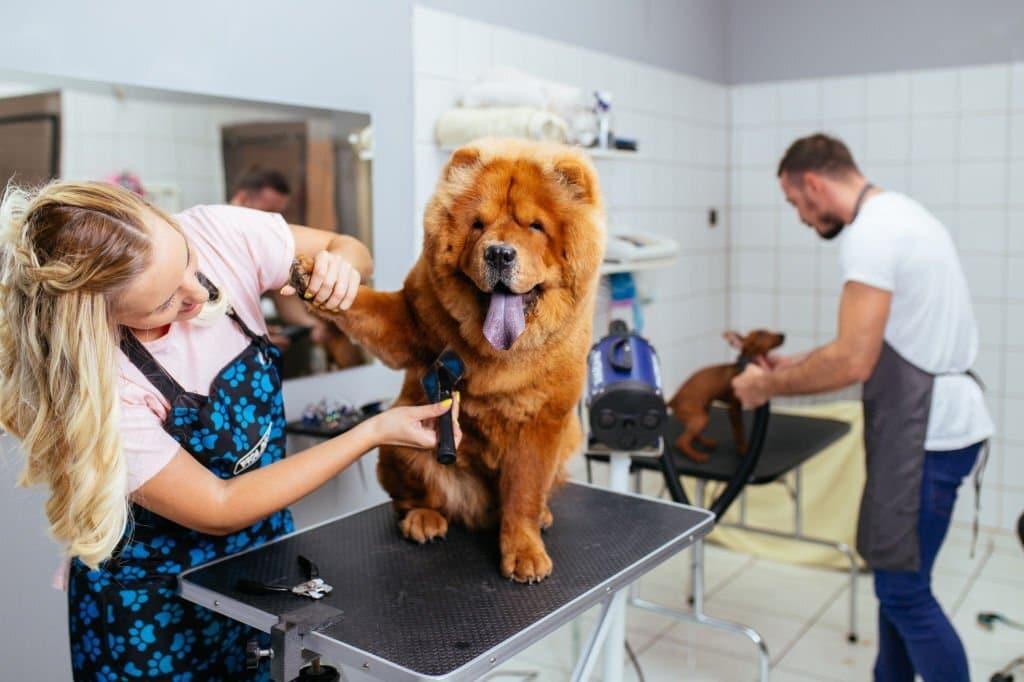
Pet hair clipping services help pet owners keep their dogs and cats clean, comfortable, and easy to manage. Regular clipping removes excess hair, reduces shedding around the home, and helps prevent painful tangles. It also makes daily brushing easier and allows owners to maintain a neat coat between grooming appointments. Professional pet hair clipping gives each animal care that suits its coat type, skin condition, and comfort level.
Understanding how pet hair clipping works helps owners choose the right service for their pets. From trimming long coats to managing thick fur during warm weather, a professional groomer can create a care plan that meets each pet's needs.
What Are Pet Hair Clipping Services?
Pet hair clipping services involve trimming or shortening a pet's coat with professional grooming clippers and other grooming tools. Groomers adjust the clipping method according to the animal's breed, coat texture, hair length, and skin condition.
Some pets need a full body clip to make their coats easier to maintain. Others benefit from light trimming around the face, paws, belly, or sanitary areas. The goal is to keep the coat manageable without causing discomfort or removing more hair than necessary.
Dogs with curly, long, or thick coats often need regular clipping. Cats may also need professional coat trimming when long hair becomes tangled or difficult to maintain. However, not every pet needs a full haircut. A groomer can recommend a suitable option after checking the coat.
Benefits of Professional Pet Hair Clipping
Regular pet hair clipping offers several practical benefits. It helps owners maintain coat cleanliness and gives groomers an opportunity to check the skin for visible problems.
Better Coat Management
Long hair can collect dirt, leaves, and other debris during daily activities. Clipping helps reduce this buildup and makes routine brushing easier. Shorter coats also allow owners to check for tangles, skin irritation, and unusual changes more easily.
Pets with coats that grow continuously may need frequent trims to maintain a comfortable length. A regular grooming schedule keeps the coat manageable and reduces the time owners spend removing knots at home.
Less Hair Around the Home
Pet hair often collects on furniture, carpets, clothing, and bedding. Clipping can make loose hair easier to manage, especially when a pet has a thick or long coat.
However, clipping does not stop shedding completely. Many pets continue to shed even after a haircut. Regular brushing, bathing, and appropriate coat care help control loose hair more effectively.
Improved Comfort
Heavy coats and tight mats can make movement uncomfortable. Clipping can remove excess length and reduce pulling caused by tangled hair.
A shorter coat may also make it easier to keep a pet clean after outdoor activities. Still, owners should not assume that a very short haircut always provides better comfort. A pet's coat can offer protection from sunlight, temperature changes, and minor skin irritation.
Types of Pet Hair Clipping Services
Professional groomers offer different clipping options based on the pet's needs. The right service depends on coat condition, breed, lifestyle, and the owner's maintenance preferences.
Full Body Hair Clipping
A full body clip shortens the coat across most of the animal's body. This option works well for pets that need easier coat maintenance or have long hair that frequently tangles.
Groomers choose a suitable clipper blade or guard length based on the coat and the desired result. They also check sensitive areas to reduce the risk of irritation.
Sanitary Trimming
Sanitary trimming removes excess hair around areas that need extra cleanliness, such as the underside and rear of the pet. This service can help reduce the buildup of dirt and waste.
The groomer uses careful techniques around these sensitive areas. Owners should avoid attempting close clipping with unsuitable household tools.
Face, Paw, and Detail Trimming
Detail trimming focuses on specific areas rather than the entire coat. Groomers may trim hair around the eyes, shape the feet, or tidy the face according to the pet's breed and needs.
This option suits pets that already have a manageable coat but need a neat appearance between full grooming appointments.
Mat Removal and Coat Trimming
Mats form when loose hair becomes tangled and tightens against the skin. Small tangles may respond to careful brushing, but severe mats often require professional clipping.
Groomers assess the coat before choosing a removal method. They avoid pulling hard on tight mats because this can hurt the animal and damage the skin.
What Happens During a Pet Hair Clipping Appointment?
A professional appointment usually begins with a coat assessment. The groomer checks hair length, tangles, skin condition, and the pet's response to handling. This step helps determine the safest clipping approach.
The pet groomer may recommend bathing and drying before clipping when the coat condition allows it. Clean, dry hair often gives clippers a more even finish. Severe matting may require a different approach, so the groomer should assess the coat before deciding on the order of services.
During clipping, the groomer uses suitable tools and handles the pet carefully. The process may include body trimming, detail work, and a final check for uneven areas. Some pets need breaks if they become anxious or restless.
Owners should share useful information about their pet's behavior, skin sensitivities, previous grooming experiences, and preferred haircut. This information helps the groomer plan a more comfortable appointment.
How Often Should Pets Get Their Hair Clipped?
The ideal clipping schedule depends on coat growth and maintenance needs. Some dogs with continuously growing hair need grooming every four to eight weeks. Other dogs need only occasional trimming.
Long haired cats may need regular brushing and occasional professional trimming when their coats become difficult to manage. Short haired cats generally need less clipping unless a specific coat problem requires it.
Owners should consider these factors when planning appointments:
-
Coat length, texture, and growth rate.
-
Tendency to develop mats or collect dirt.
-
Daily activity, outdoor exposure, and home grooming routine.
-
Skin sensitivity and the pet's tolerance for grooming.
A professional groomer can suggest an appointment schedule after assessing the animal's coat. Regular brushing between visits helps maintain the results and makes future grooming easier.
Choosing the Right Pet Hair Clipping Service
Pet owners should look for a groomer who understands different coat types and uses appropriate equipment. Experience matters because dogs and cats respond differently to clippers, noise, restraint, and handling.
Ask the groomer about the available clipping options, cleaning practices, appointment process, and approach to nervous pets. Clear communication also helps prevent misunderstandings about haircut length and styling preferences.
Owners should discuss any skin irritation, lumps, wounds, or unusual sensitivity before the appointment. Groomers can identify visible concerns, but they do not replace veterinary care. A veterinarian should assess medical problems before grooming when needed.
Price also matters, but the lowest price does not always offer the best value. Coat condition, pet size, service length, and additional grooming needs can affect the total cost. A clear estimate helps owners plan without surprises.
Pet Hair Clipping at Home vs. Professional Grooming
Home grooming can help owners maintain their pets between appointments. Regular brushing and simple coat checks often reduce tangles and keep the fur clean. However, clipping requires suitable tools, steady handling, and knowledge of sensitive areas.
Professional groomers know how to work around ears, paws, skin folds, and other areas where accidental cuts can occur. They can also assess whether a mat needs careful removal or whether a particular haircut suits the animal's coat.
Owners who use clippers at home should choose equipment designed for pet grooming. They should avoid scissors near tight mats and never force a pet to remain in a position that causes distress.
A combination of home maintenance and professional pet hair clipping often gives owners a practical way to manage their pets' coats throughout the year.
Conclusion
Pet hair clipping services in Southampton help dogs and cats maintain manageable coats while supporting regular hygiene and comfort. The right clipping method depends on coat type, hair growth, skin condition, and individual grooming needs. Regular maintenance, suitable tools, and careful handling make a real difference in the grooming experience.
For pet owners seeking dependable pet hair clipping services in Southampton, PA, and the surrounding areas, Zoomin Groomin is the best company to choose for professional pet grooming care. Its grooming services can help owners maintain cleaner, more manageable coats and support their pets' regular grooming routines.
Frequently Asked Questions
1. What do pet hair clipping services include?
Pet hair clipping services may include full body trimming, sanitary clipping, paw and face trimming, and mat removal. The exact service depends on the pet's coat condition and grooming needs.
2. Does clipping stop pets from shedding?
No. Clipping can make loose hair easier to manage, but it does not stop shedding. Regular brushing and appropriate coat care help reduce loose hair around the home.
3. How often should I book pet hair clipping?
Many dogs with long or continuously growing coats need grooming every four to eight weeks. Other pets may need less frequent appointments. A groomer can recommend a schedule based on coat growth and maintenance needs.
4. Can cats receive professional hair clipping?
Yes. Professional groomers can trim cats when their coats need extra care. Long haired cats may benefit from occasional trimming, especially when tangles become difficult to manage. Owners should choose a groomer experienced in feline handling.
5. Is pet hair clipping safe for sensitive skin?
A trained groomer can select suitable tools and clipping methods for pets with sensitive skin. Owners should disclose any skin problems before the appointment. A veterinarian should assess active irritation, wounds, or suspected infections.
6. How do I prepare my pet for a clipping appointment?
Owners should share details about the pet's behavior, coat problems, skin sensitivities, and previous grooming experiences. Gentle brushing before the appointment can help when the coat has no severe mats. Avoid forcing out tight tangles at home.

 Arabic
 French
 Spanish
 Portuguese
 Deutsch
 Turkish
 Dutch
Dutch
 Italiano
 Russian
 Romaian
 Portuguese (Brazil)
 Greek
Greek