


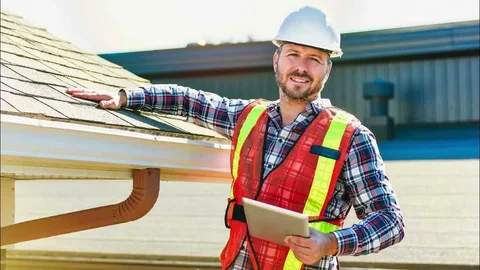
A well-maintained roof protects a building from rain, snow, wind, and changing temperatures. Choosing a reliable Roofing contractor helps property owners address roofing problems before they lead to costly repairs. Regular inspections, timely maintenance, and quality installation can improve roof performance and extend its useful life. Understanding the available roofing services also makes it easier to plan projects and protect the structure of a home or commercial property.
Understanding the Importance of a Strong Roof
A roof is one of the most important parts of any building. It protects the interior from weather conditions and helps maintain a comfortable indoor environment. When roofing materials become damaged or worn, water can enter the structure and affect ceilings, walls, insulation, and other building components.
Small roofing problems can become serious if they remain untreated. A loose shingle, damaged flashing, or minor leak may allow moisture to spread beneath the roofing materials. Over time, this can contribute to wood damage, mold growth, and higher repair costs.
Regular roof maintenance helps identify these concerns early. Property owners should pay attention to missing shingles, water stains, sagging areas, and damaged gutters. Scheduling an inspection after severe weather can also help reveal problems that are not immediately visible from the ground.
Common Roofing Problems Property Owners Face
Roofs experience natural wear because they remain exposed to the elements throughout the year. Sunlight, heavy rain, snow, wind, and temperature changes can gradually weaken roofing materials. The type and severity of damage depend on the roof's age, construction, materials, and maintenance history.
Leaks are among the most common roofing problems. They can develop around chimneys, vents, skylights, valleys, and other areas where different roofing components meet. Damaged flashing or deteriorated seals may allow water to enter these vulnerable points.
Shingles can also crack, curl, loosen, or disappear during strong winds. Flat roofs may develop drainage problems when debris collects around drains or when the roofing membrane deteriorates. Identifying the source of a problem is essential because surface damage does not always reveal the full extent of the issue.
When to Consider a Roof Replacement?
Roof repairs can resolve many localized problems, but some roofs eventually reach the end of their useful life. Repeated leaks, widespread material deterioration, and extensive storm damage may indicate that a more comprehensive solution is necessary. A professional assessment helps determine whether repairs remain practical or replacement would provide better long-term value.
A Roof replacement service can help property owners address aging materials and improve the overall condition of their buildings. The process generally includes evaluating the existing roof, removing materials when necessary, inspecting the underlying structure, and installing a suitable roofing system. The exact steps depend on the roof design, material type, and condition of the existing structure.
Replacement planning should also consider ventilation and moisture protection. Proper attic ventilation helps regulate temperature and manage moisture buildup. Underlayment, flashing, and other protective components contribute to the roof's ability to resist water intrusion.
Property owners should compare material options based on durability, maintenance requirements, appearance, and budget. Asphalt shingles, metal roofing, and other roofing systems have different installation requirements and performance characteristics. Selecting suitable materials can help balance initial costs with expected long-term maintenance.
Choosing the Right Roofing Materials
The right roofing material depends on several factors. Climate, building design, roof slope, local requirements, and the owner's budget all influence the decision. A material that works well on one property may not be the best choice for another.
Asphalt shingles are widely used on residential properties because they are available in different styles and price ranges. They can provide reliable protection when installed correctly and maintained regularly. However, their performance depends on product quality, installation methods, and exposure to severe weather.
Metal roofing is another option for residential and commercial buildings. It can offer durability and may require less frequent replacement than some traditional materials. Property owners should consider the type of metal, protective coatings, fastening system, and compatibility with the existing structure.
Flat and low-slope roofs often require specialized materials. Membranes and other low-slope roofing systems are designed to manage water differently from sloped shingle roofs. Proper drainage and correctly sealed seams are particularly important for these installations.
Before selecting a material, property owners should discuss the available options with an experienced roofing professional. A detailed evaluation can help identify suitable products and explain the expected maintenance needs. This preparation helps prevent decisions based only on appearance or initial price.
Benefits of Professional Roof Installation
Proper installation plays a major role in roof performance. Even high-quality materials may fail prematurely when installed incorrectly. Incorrect fastening, poorly sealed joints, and inadequate flashing can create entry points for moisture.
Professional installation helps ensure that roofing components work together as a complete system. Contractors assess the roof structure, prepare the surface, and follow the installation requirements for the selected materials. They can also identify damaged decking or other underlying issues that need attention before the new roofing system is installed.
Safety is another important consideration. Roofing work involves heights, heavy materials, specialized tools, and potentially unstable surfaces. Qualified professionals use appropriate equipment and work practices to reduce risks during installation and repairs.
Hiring an experienced company can also make project planning easier. Property owners can discuss timelines, material availability, project costs, and expected maintenance requirements before work begins. Clear communication helps establish realistic expectations and reduces the chance of misunderstandings.
Maintaining a Roof After Installation
Routine maintenance helps preserve roofing materials and identify developing problems. Property owners should arrange inspections at appropriate intervals and after significant weather events. Inspections can reveal damaged shingles, deteriorating seals, loose flashing, and other concerns that require attention.
Gutters should remain clear so rainwater can flow away from the roof and building foundation. Blocked gutters can cause water to collect along roof edges and may contribute to moisture problems. Downspouts should also direct water away from the structure whenever possible.
Tree branches that hang close to a roof may scrape roofing materials during windy conditions. They can also drop leaves and debris that interfere with drainage. Keeping nearby vegetation under control can reduce these risks and make routine roof maintenance easier.
Interior warning signs should not be ignored. Water stains on ceilings, peeling paint, damp insulation, or unexplained moisture may indicate a roofing problem. A professional inspection can help identify the source before the damage spreads.
Property owners should also keep records of inspections, repairs, and material warranties. These records make it easier to track recurring issues and understand the roof's maintenance history. They can also help when planning future repairs or evaluating replacement options.
Commercial Roofing Needs and Maintenance
Commercial buildings often have different roofing requirements from residential properties. Warehouses, offices, retail spaces, and industrial facilities may have large roof areas, rooftop equipment, and flat or low-slope designs. These features require careful planning to support drainage, access, and long-term performance.
A Commercial roofing service can address issues such as membrane damage, roof leaks, deteriorated flashing, drainage problems, and general material wear. Regular inspections help building owners identify defects before they interrupt business operations or damage equipment and inventory. Maintenance plans can also help prioritize repairs based on the roof's condition and the property's needs.
Commercial roof projects should account for the building's use and operating schedule. Contractors may need to coordinate work around employees, customers, deliveries, or sensitive equipment. Careful scheduling and appropriate safety measures can help limit disruption while allowing the work to proceed efficiently.
Drainage deserves particular attention on flat and low-slope commercial roofs. Standing water can place additional stress on roofing materials and may indicate blocked drains or inadequate roof slope. Addressing these concerns can help protect the building and reduce the likelihood of recurring leaks.
Property owners should request clear information about proposed work, material specifications, project costs, and maintenance recommendations. Understanding these details makes it easier to evaluate the scope of the project and plan for future expenses.
How to Prepare for a Roofing Project?
Good preparation can help a roofing project proceed smoothly. Property owners should begin by documenting visible concerns and noting when leaks or other problems first appeared. Photographs of damaged areas can provide useful information during the initial assessment.
It is also helpful to establish a realistic budget and discuss priorities before work begins. Some problems require immediate attention, while others can be addressed through scheduled maintenance. A professional evaluation helps distinguish urgent repairs from improvements that can be planned for later.
Before approving a project, review the written estimate carefully. It should explain the work involved, materials being used, expected timeline, and any relevant warranty information. Property owners should also ask how unexpected structural damage or additional repair needs will be handled.
Communication remains important throughout the project. Discuss access requirements, debris removal, weather-related delays, and site cleanup with the contractor. These details help everyone understand their responsibilities and reduce avoidable complications.
Selecting a Roofing Company for Your Property
Choosing a roofing company requires more than comparing prices. Property owners should look for relevant experience, clear communication, suitable insurance, and a willingness to explain the recommended work. References and examples of previous projects can also help establish whether a company is appropriate for the job.
A dependable contractor should inspect the roof before recommending major work. The assessment should identify visible concerns, explain the likely causes, and outline reasonable options. Property owners should be cautious of recommendations that lack clear explanations or pressure them into making immediate decisions without sufficient information.
Written estimates help compare services more accurately. A low initial price may not include all necessary materials, repairs, or cleanup. Reviewing the full scope of work can provide a better understanding of the project's actual value.
Local experience can also be useful because roofing systems must withstand the weather conditions common to their service areas. A company familiar with regional conditions can help property owners consider appropriate materials, maintenance practices, and installation methods.
Conclusion
Maintaining a reliable roof requires proper installation, regular inspections, and timely attention to damage. From minor leak repairs to complete roofing projects, informed decisions can help protect a property's structure and reduce avoidable maintenance costs. Property owners should consider material quality, professional workmanship, and long-term performance when choosing roofing solutions.
For residential and commercial roofing needs in Arlee, MT, and the surrounding areas, Hunter Roofing LLC provides roofing solutions for property owners seeking to maintain, repair, or improve their roofs. Evaluating the condition of the existing roof and selecting the right approach can help protect the building against changing weather conditions. Working with a qualified local roofing company can also help property owners plan their projects, understand their options, and maintain their roofing systems for years to come.

 English
 Arabic
 French
 Spanish
 Portuguese
 Deutsch
 Turkish
 Dutch
Dutch
 Italiano
 Romaian
 Portuguese (Brazil)
 Greek
Greek