


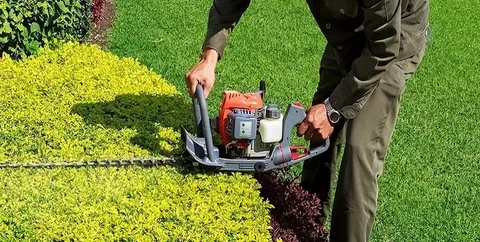
A healthy and well-maintained lawn can improve the appearance of any residential or commercial property. Regular mowing, trimming, watering, and weed control help keep grass in good condition throughout the year. A professional Lawn Trimming Service helps maintain clean edges, control overgrown grass, and create a neat outdoor space. Proper lawn care also supports healthy grass growth and reduces common problems that can affect the appearance of your yard.
Importance of Regular Lawn Maintenance
Regular lawn maintenance is essential for keeping grass healthy and preventing excessive growth. Grass that is left unattended can become uneven, attract pests, and develop weak areas. Routine care helps maintain a consistent grass height and improves the overall appearance of the property. It also makes outdoor spaces more comfortable for families, visitors, and customers.
A well-maintained lawn requires more than occasional mowing. It involves proper watering, trimming, fertilization, and weed management. Each task plays a role in supporting healthy grass and maintaining the condition of the soil. Following a regular maintenance schedule can also reduce the need for major lawn repairs.
Homeowners should pay attention to changes in grass color, growth patterns, and soil conditions. Yellow patches, bare spots, and excessive weeds may indicate that the lawn needs additional attention. Addressing these issues early can help prevent further damage. Consistent care also makes it easier to manage the lawn during periods of rapid growth.
Benefits of Professional Lawn Trimming
Grass can grow quickly during warmer months, making regular trimming important for maintaining a neat outdoor environment. Overgrown grass can make a property look untidy and may create hiding places for insects. Proper trimming helps keep the lawn at a suitable height and improves the overall appearance of the yard. It also makes walkways, driveways, and garden borders look cleaner.
Professional lawn care providers use suitable equipment to trim grass evenly and maintain clean edges. They can also identify areas that need extra attention, such as uneven patches or grass growing around trees and fences. Proper trimming techniques help reduce unnecessary stress on the grass. This supports steady growth and helps maintain a consistent lawn appearance.
Regular trimming can also make outdoor maintenance easier over time. When grass is maintained at a suitable height, it is easier to manage and less likely to become excessively overgrown. Clean edges around flower beds, sidewalks, and other landscape features create a more organized appearance. These small details can make a noticeable difference in the overall presentation of a property.
Seasonal Lawn Care for Every Time of Year
Grass has different needs depending on the weather and growing season. Temperature, rainfall, sunlight, and soil conditions all affect how a lawn develops. A Seasonal Lawn Care Service helps property owners adjust their maintenance routines according to changing environmental conditions. This approach supports grass health and helps prepare the lawn for upcoming seasonal changes.
During spring, lawns often begin growing more actively as temperatures rise. This is a suitable time to remove leftover leaves, clear debris, and inspect the grass for damaged areas. Proper mowing and suitable fertilization can help encourage healthy growth. Spring maintenance also provides an opportunity to identify weeds before they spread across the lawn.
Summer lawn care focuses on managing heat, moisture, and rapid grass growth. Lawns may require careful watering to prevent dry patches and stress caused by high temperatures. Mowing should be adjusted according to grass growth and weather conditions. Avoiding excessive cutting can help protect the grass from heat-related damage.
Fall is an important season for preparing the lawn for colder weather. Removing fallen leaves helps prevent moisture buildup and reduces the risk of grass damage. This is also a suitable time to address bare patches and improve soil conditions when needed. Proper fall maintenance can help grass recover and prepare for the next growing season.
Winter maintenance depends on local temperatures and grass type. During periods of slower growth, lawns may require less mowing and watering. Removing heavy debris and limiting unnecessary foot traffic can help protect the grass. Preparing the lawn before winter can support healthier growth when warmer weather returns.
Effective Weed Control and Grass Management
Weeds can compete with grass for essential resources, including water, sunlight, and nutrients. If left unmanaged, they may spread quickly and affect the appearance of the lawn. Regular inspections help identify weed growth before it becomes difficult to control. Removing weeds at the right time can help maintain a more uniform grass surface.
Different types of weeds require different management methods. Some can be removed manually, while others may require suitable weed control treatments. Proper identification is important because incorrect treatments can damage surrounding grass. Professional lawn care providers can assess the condition of the lawn and choose appropriate methods based on its needs.
Maintaining thick and healthy grass is another way to reduce weed growth. Proper mowing, watering, and soil care help grass grow more consistently. Healthy turf can limit the space and resources available to many common weeds. Combining preventive care with timely weed management can support long-term lawn health.
Proper Watering for Healthy Grass
Water is essential for grass growth, but excessive or insufficient watering can create problems. Too little water can cause grass to dry out, lose its color, and become weak. Overwatering may lead to poor soil conditions, root problems, and fungal growth. Understanding the lawn's specific water requirements helps maintain a balanced growing environment.
Watering schedules should be adjusted according to weather conditions, soil type, and grass variety. Lawns may need more attention during extended periods of hot and dry weather. Rainfall should also be considered to avoid unnecessary watering. Monitoring the condition of the soil can help determine when additional moisture is needed.
Watering during the early morning is often beneficial because it allows moisture to reach the roots while reducing evaporation. Even water distribution can help prevent dry patches and areas with excessive moisture. Property owners should also check irrigation systems for leaks, blocked sprinkler heads, and uneven coverage. These steps can improve water efficiency and support healthy grass development.
Improving Lawn Appearance Through Edging
Lawn edging is an important part of creating a neat and organized outdoor space. Grass can spread into flower beds, walkways, driveways, and other landscape areas. Regular edging helps maintain clear boundaries between different sections of the property. It also creates a cleaner appearance and makes the lawn easier to manage.
Proper edging requires suitable tools and careful handling. Cutting too deeply can damage grass roots and disturb nearby soil. Maintaining consistent edges helps create a balanced look throughout the yard. Regular attention to borders can also reduce the time needed for future cleanup.
Edging around trees, fences, garden beds, and sidewalks can improve the overall landscape design. These areas often require more detailed attention than open sections of grass. Keeping them free from excessive grass growth helps maintain a tidy appearance. When combined with mowing and trimming, edging contributes to a well-maintained outdoor environment.
Soil Health and Fertilization
Healthy soil provides the foundation for strong grass growth. It supplies essential nutrients, supports root development, and helps regulate moisture. Soil conditions can change over time due to weather, foot traffic, and regular lawn use. Monitoring soil health can help identify issues that may affect the quality of the grass.
Fertilization can support grass growth by supplying nutrients that may be missing from the soil. However, the type and amount of fertilizer should be selected according to the lawn's condition and grass variety. Applying too much fertilizer can damage grass and contribute to environmental problems. A suitable fertilization plan helps maintain balanced growth without unnecessary treatment.
Aeration may also be useful when soil becomes compacted. Compacted soil can restrict air, water, and nutrient movement to the roots. Aeration creates small openings that help improve soil access and encourage root development. The need for aeration depends on soil conditions, lawn use, and grass type.
Maintaining a Clean and Safe Outdoor Space
A clean lawn is more enjoyable and easier to use for everyday activities. Leaves, branches, grass clippings, and other debris can affect the appearance of the property. Regular cleanup helps keep outdoor areas organized and reduces obstacles on walkways and open spaces. It also makes it easier to identify areas that need additional lawn care.
Grass clippings should be managed according to their quantity and the condition of the lawn. Small amounts of healthy clippings can often be left on the lawn to break down naturally. Excessive clippings, however, should be removed to prevent them from covering the grass. Proper cleanup supports a neat appearance and helps maintain suitable growing conditions.
Maintaining clear paths around the property can also improve outdoor safety. Overgrown grass near walkways and driveways may obstruct visibility or make movement difficult. Keeping these areas trimmed helps create a more accessible environment. Routine inspections can also reveal damaged branches, uneven ground, and other issues that need attention.
Choosing Professional Lawn Care Services
Selecting a suitable lawn care provider can make regular property maintenance easier. Property owners should consider experience, service availability, equipment, and the ability to address specific lawn requirements. Clear communication helps ensure that the work meets the property's needs. It is also useful to discuss the maintenance schedule and the condition of the lawn before starting regular services.
Professional lawn care can save time for homeowners and business owners with busy schedules. Experienced providers understand how different maintenance tasks work together to support healthy grass. They can help identify potential problems and recommend appropriate care methods. Regular service can also make it easier to maintain a consistent outdoor appearance throughout the year.
Before arranging lawn maintenance, property owners should consider the size of the yard, grass type, and frequency of care required. Some lawns need frequent mowing and trimming, while others require additional attention to weeds, soil, or seasonal changes. A maintenance plan based on these factors can help avoid unnecessary work. Regular evaluations can keep the plan suitable as the lawn changes over time.
Long-Term Lawn Grass Maintenance
Maintaining a lawn over the long term requires consistency and attention to changing conditions. Grass growth can vary based on rainfall, temperature, sunlight, and soil quality. Regular inspections help property owners understand how the lawn responds to different maintenance practices. Adjusting the routine when necessary can support healthier and more even growth.
A professional Lawn Grass Maintenance Service can help property owners manage routine tasks such as mowing, edging, watering guidance, weed control, and seasonal cleanup. These services are useful for maintaining the condition of grass and addressing common lawn problems. A consistent maintenance plan can also reduce the risk of overgrown areas and neglected sections. The specific tasks should always be based on the lawn's current condition and requirements.
Long-term care also involves monitoring the effectiveness of existing maintenance practices. If certain areas repeatedly develop bare patches, weeds, or discoloration, they may need a different approach. Checking soil conditions, reviewing watering habits, and adjusting mowing frequency can help address these concerns. With regular care, property owners can maintain a lawn that remains functional, attractive, and easier to manage.
Conclusion
A healthy lawn requires regular maintenance, proper trimming, seasonal care, and attention to soil and watering conditions. Consistent mowing, weed management, edging, and cleanup can improve the appearance of outdoor spaces while supporting healthy grass growth. Professional assistance can also help property owners manage maintenance tasks and address common lawn problems throughout the year. Holloman Lawn Care Services LLC provides lawn care solutions in Suffolk, VA, and its surrounding areas, helping residential and commercial property owners maintain neat and well-managed outdoor spaces. Contact Holloman Lawn Care Services LLC to discuss your lawn care needs and arrange a maintenance plan that suits your property.

 English
 Arabic
 French
 Spanish
 Portuguese
 Deutsch
 Turkish
 Dutch
Dutch
 Italiano
 Romaian
 Portuguese (Brazil)
 Greek
Greek