


Introduction
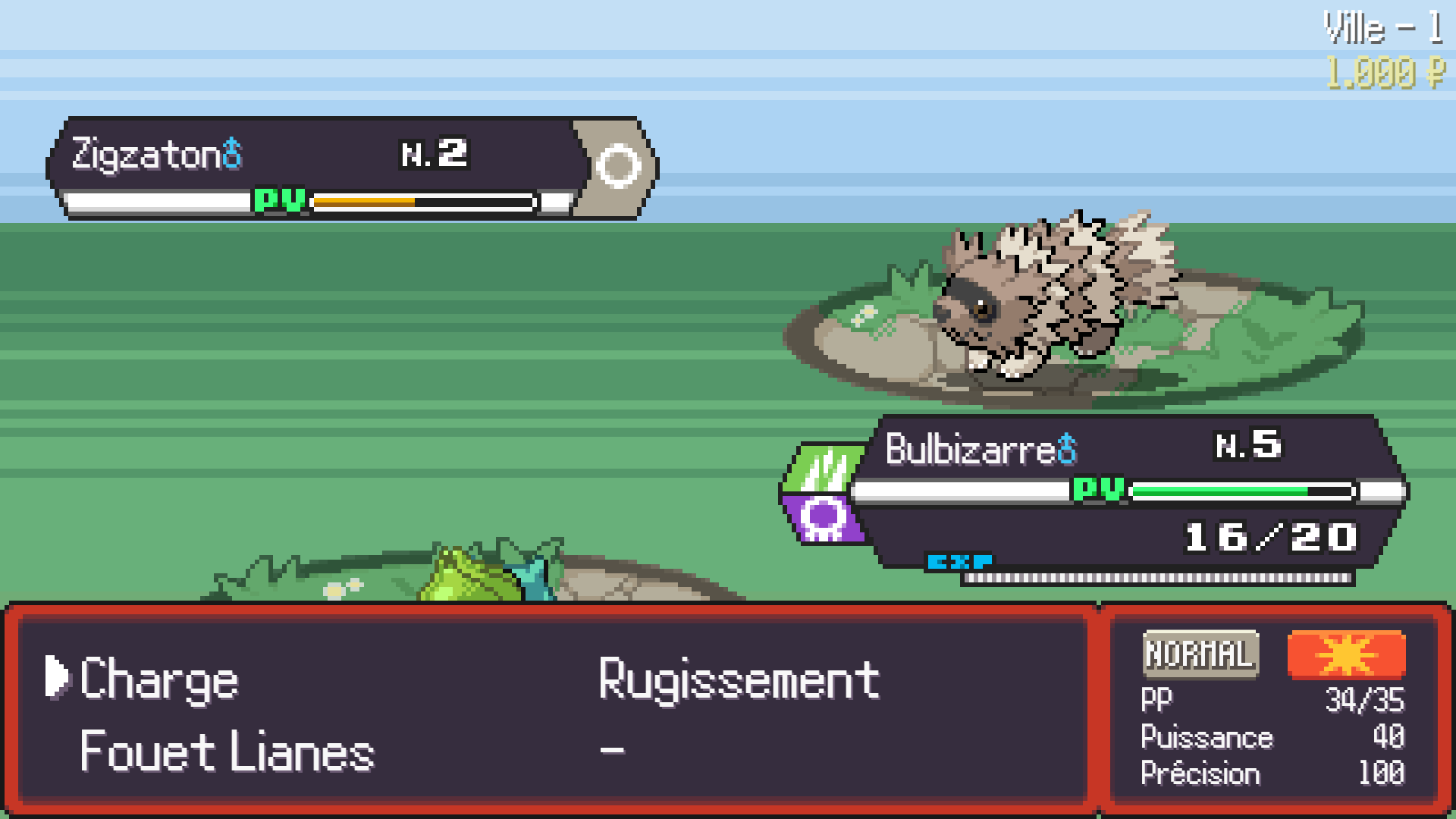
I stumbled across PokéRogue on a lazy afternoon when I was craving something familiar yet completely different from the official series. As an unofficial fan-made browser game, it caught my attention because it mashes up classic turn-based Pokémon battles with a proper roguelite structure. I figured I would just play a quick run to see what it was about, but an hour later, I was deep into multiple biomes, wondering how my bizarre team of starters was going to survive the next major boss fight.
My First Experience With Pokerogue
When I first loaded up Pokerogue , I had no idea what to expect from the pacing. The interface is clean and runs right in the browser, which makes jumping into a session dangerously easy. My very first run started with picking a few standard starters, and I quickly realized this wasn't just a regular playthrough. You move through changing biomes one battle at a time, collecting items, managing your party's health, and facing off against wild encounters and trainers without traditional Pokémon center stops around every corner. That first attempt ended in a swift defeat because I rushed into a trainer battle with a depleted team, but it completely hooked me on the gameplay loop.
Building My Pokemon Team
One of the most engaging parts of the game is putting your squad together before a run begins. You have to pick starter pokemon while keeping an eye on their individual costs, which stops you from simply packing your team with legendary powerhouses right out of the gate. As you play more, you start noticing how IVs, abilities, natures, specific forms, and shiny variants can change how a starter performs. I also quickly discovered egg vouchers and the egg gacha system, which let me hatch new pokemon and unlock cool egg moves for future attempts. Balancing a budget while trying to build a well-rounded team forces you to get creative with pokemon you might usually ignore in mainline games.
Why Every Run Feels Different
What keeps me coming back is how unpredictable each session turns out to be. Because the roguelite structure randomizes encounters, dropped items, and shop options, no two runs ever feel identical. Sometimes you stumble into great items that snowball your team's strength, while other times you are scraping by with barely enough healing items to survive the next biome. Whether you are tackling the main challenge in Classic Mode or testing your skills against a rotating seed in the Daily Run, you always have to adapt your strategy on the fly based on what the game throws at you.
Using the Pokerogue Dex
Whenever I catch a new wild pokemon or hatch something interesting, I find myself checking the Pokerogue Dex to see its details, stats, and potential movesets. It is a really handy resource built right into the experience when you want to plan ahead or satisfy your curiosity about species you haven't used much yet. Reading through the dex helped me figure out which traits and abilities were worth investing in, making my subsequent team building decisions feel a lot more deliberate instead of just guessing.
What I Learned From Losing Runs
Losing in this game used to sting, especially when I made a careless type-matchup mistake deep into a run. However, I soon realized that failure isn't a total waste of time. Progression carries over across multiple runs, meaning the pokemon you catch and the useful traits you unlock help improve your starter options for the next attempt. Every defeat taught me something valuable about team synergy, item management, and knowing when to switch out during tough boss encounters.
My Overall Experience With Pokerogue
Playing pokerogue has been a genuinely fun surprise. It takes the core mechanics of pokemon that we all know and wraps them in a fast-paced, replayable roguelite format that keeps you on your toes. It is not an official Nintendo or Game Freak release, but the care put into its design shines through every biome shift and unexpected battle. If you enjoy turn-based strategy and want a fresh way to experience pokemon, it is definitely worth opening up in your browser for a few runs.
Conclusion
At the end of the day, pokerogue strikes a great balance between casual pick-up-and-play sessions and rewarding strategic depth. Making mistakes, learning from them, and finally clearing a difficult biome gives you a genuine sense of accomplishment. Whether you have twenty minutes to spare or want to dive into a longer session, it offers an entertaining twist on familiar mechanics that keeps you hitting that retry button.

 English
 Arabic
 French
 Spanish
 Deutsch
 Turkish
 Dutch
Dutch
 Italiano
 Russian
 Romaian
 Portuguese (Brazil)
 Greek
Greek