


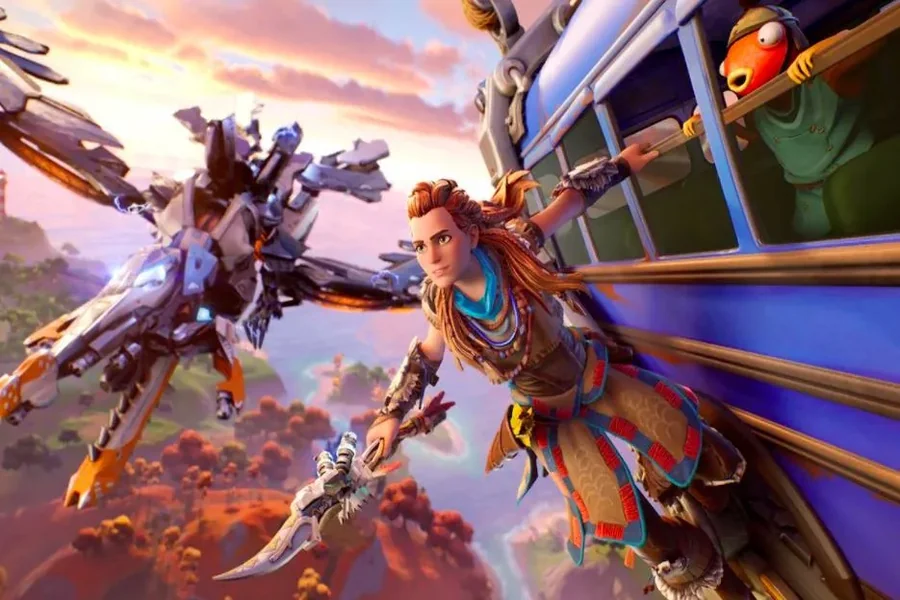
A massively multiplayer online game (MMOG) allows thousands of players to interact in an ongoing virtual world. MMOGs typically focus on socialization and community building. Examples of such titles include Linden Lab's Second Life which puts emphasis on user-created content creation.
Many MMORPGs give players experience by completing missions and dungeons. This helps level up characters, so they can upgrade equipment later.
Buy-to-play (B2P)
Buy-to-Play (B2P) games typically feature a one time fee with no subscription requirement and do not rely on in-game advertising as their revenue generators. They may feature cash shops or item malls as ways of making revenue; other titles have in-game advertising instead. B2P games are highly prevalent in Asia where there is an even wider audience for this model compared to its western counterpart. Creating such games may prove more difficult but still possible;
MMOGAH features many games that are B2P (buy-to-play), both with cash shops and without. Monetization of games has become more important as players with limited time invest money to progress faster in a game faster - which may provide greater satisfaction than subscription-based titles that do not feature any in-game purchases. Such options are especially appealing in 1st world countries due to time constraints - making this type of experience viable options for them.
Pay-to-play (P2P)
Pay-to-play (P2P) MMO games have experienced explosive growth due to evolving technology and rising player expectations of quality multiplayer gaming. Players increasingly expect a full experience free from microtransactions found in many F2P titles; as a result, developers are responding by offering P2P titles which offer this full immersion.
MMOGAH is the safest and most trustworthy global marketplace for in-game currency, items, boosting services, and other powerups. Every day thousands of gamers trust MMOGAH to provide them with premium in-game content at prices they can easily afford - easy, fast, and simple!
Although P2P models have often been controversial, they have proven effective as revenue streams for online games, and enable developers to focus more time and money on game development. P2P also helps players remain engaged by providing frequent updates as well as an intimate gaming community which reduces any risks of feeling exploited by other players who don't subscribe to the game.
Free-to-play (F2P)
Free to play games provide players with an opportunity to experience the game without incurring subscription fees, usually through advertising either in-game or pop-ups. They may include MMORPGS, MMOFPSs or other genres of multiplayer online gaming such as Guild Wars 2 and Eve Online.
Players control their character as they complete quests, PvP battles and player-run city and faction systems. Weapons, armor and equipment customization is also an option while character growth depends on fulfilling missions and killing monsters.
Sci-fi MMO with a tactical action space combat system and team oriented gameplay. Players can build and customize giant robots and battle in real-time against other players online. Set in J. R. R. Tolkien's Middle-earth setting, this MMO allows characters to advance along branching job trees while facing various enemies; capture castles or forts is even possible!
Subscription-based
Subscription-based games provide a reliable revenue stream and ongoing content updates that create an immersive gaming world and a community of dedicated players. Furthermore, subscription games typically feature an in-game cash shop for cosmetic and quality-of-life items separate from subscription payments; this enables players to pay only for those services they find valuable.
Many MMORPGs give players experience by completing missions and dungeons. This helps level up characters, so they can upgrade equipment later.
Buy-to-play (B2P)
Buy-to-Play (B2P) games typically feature a one time fee with no subscription requirement and do not rely on in-game advertising as their revenue generators. They may feature cash shops or item malls as ways of making revenue; other titles have in-game advertising instead. B2P games are highly prevalent in Asia where there is an even wider audience for this model compared to its western counterpart. Creating such games may prove more difficult but still possible;
MMOGAH features many games that are B2P (buy-to-play), both with cash shops and without. Monetization of games has become more important as players with limited time invest money to progress faster in a game faster - which may provide greater satisfaction than subscription-based titles that do not feature any in-game purchases. Such options are especially appealing in 1st world countries due to time constraints - making this type of experience viable options for them.
Pay-to-play (P2P)
Pay-to-play (P2P) MMO games have experienced explosive growth due to evolving technology and rising player expectations of quality multiplayer gaming. Players increasingly expect a full experience free from microtransactions found in many F2P titles; as a result, developers are responding by offering P2P titles which offer this full immersion.
MMOGAH is the safest and most trustworthy global marketplace for in-game currency, items, boosting services, and other powerups. Every day thousands of gamers trust MMOGAH to provide them with premium in-game content at prices they can easily afford - easy, fast, and simple!
Although P2P models have often been controversial, they have proven effective as revenue streams for online games, and enable developers to focus more time and money on game development. P2P also helps players remain engaged by providing frequent updates as well as an intimate gaming community which reduces any risks of feeling exploited by other players who don't subscribe to the game.
Free-to-play (F2P)
Free to play games provide players with an opportunity to experience the game without incurring subscription fees, usually through advertising either in-game or pop-ups. They may include MMORPGS, MMOFPSs or other genres of multiplayer online gaming such as Guild Wars 2 and Eve Online.
Players control their character as they complete quests, PvP battles and player-run city and faction systems. Weapons, armor and equipment customization is also an option while character growth depends on fulfilling missions and killing monsters.
Sci-fi MMO with a tactical action space combat system and team oriented gameplay. Players can build and customize giant robots and battle in real-time against other players online. Set in J. R. R. Tolkien's Middle-earth setting, this MMO allows characters to advance along branching job trees while facing various enemies; capture castles or forts is even possible!
Subscription-based
Subscription-based games provide a reliable revenue stream and ongoing content updates that create an immersive gaming world and a community of dedicated players. Furthermore, subscription games typically feature an in-game cash shop for cosmetic and quality-of-life items separate from subscription payments; this enables players to pay only for those services they find valuable.
Maintaining regular user feedback collection and analysis helps developers to gain insight into player expectations for subscription offerings. Leveraging these insights to continually optimize subscription features increases perceived value while decreasing churn. Providing responsive customer support also boosts user satisfaction by quickly and accurately responding to queries raised.

 English
 Arabic
 French
 Portuguese
 Deutsch
 Turkish
 Dutch
Dutch
 Italiano
 Russian
 Romaian
 Portuguese (Brazil)
 Greek
Greek